
Why Dentists See More Tooth Fractures Around the Holidays (Even Without Trauma)
One of the most consistent clinical trends dentists notice during the holiday season is an increase in cracked and fractured teeth — often in patients who didn’t experience an accident or injury.
At Smiling Oak Dentistry, many of these fractures are discovered during routine visits or emergency appointments that begin with the same question: “Why did this happen now?”
The Role of Existing Tooth Structure
Most holiday-season fractures occur in teeth that were already structurally compromised due to:
-
Large or aging fillings
-
Previous root canal treatment
-
Hairline cracks that were being monitored
-
Enamel weakened by years of wear
These teeth can function normally for a long time — until added stress pushes them past their limit.
Why the Holidays Increase Fracture Risk
Several seasonal factors increase mechanical stress on teeth:
-
Prolonged chewing during extended meals
-
Increased parafunctional activity such as clenching
-
Disrupted sleep patterns that intensify nighttime grinding
-
Dehydration, which can reduce the resilience of oral tissues
None of these causes damage on their own — but combined, they can accelerate failure in vulnerable teeth.
How Dentists Diagnose Cracked Teeth
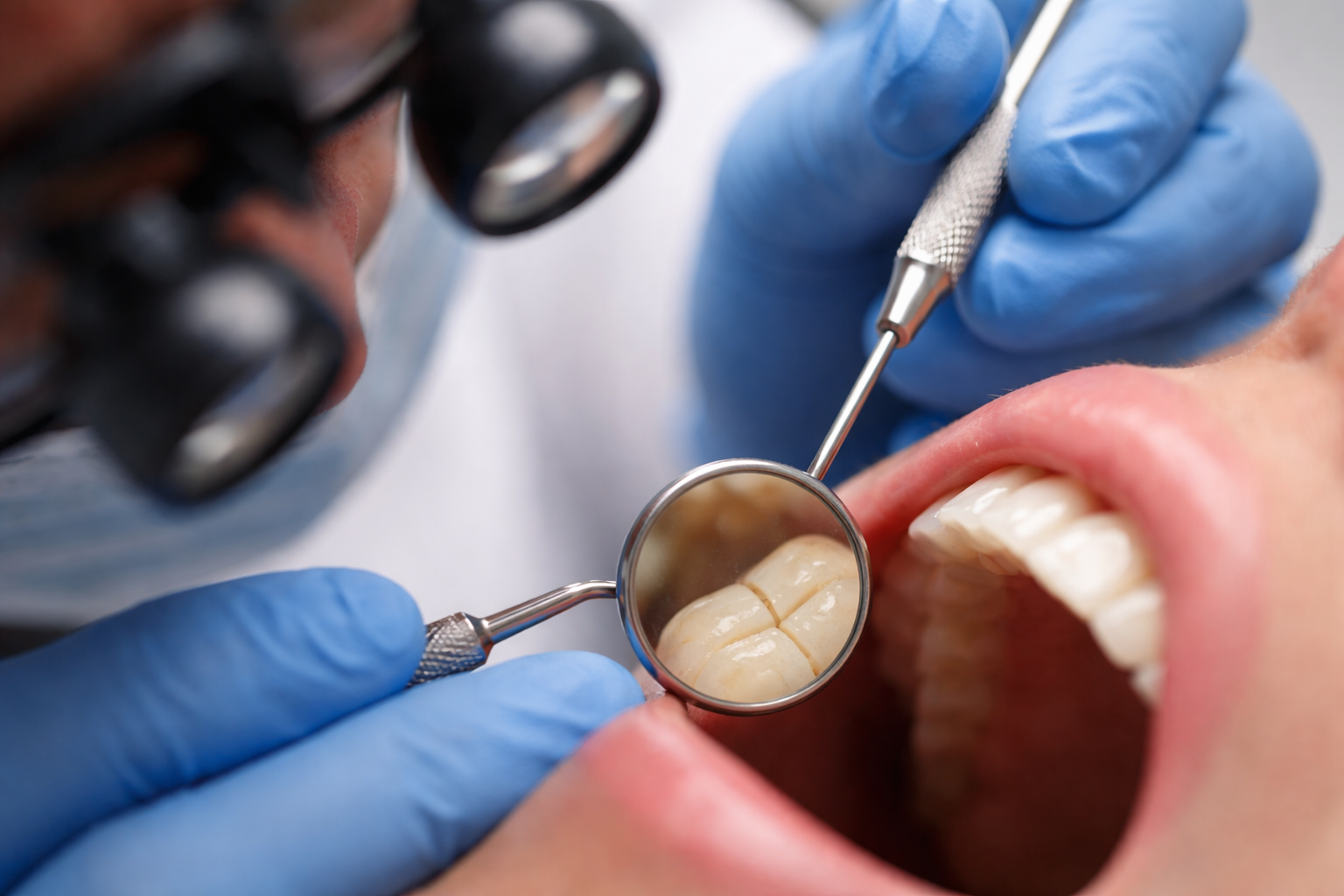
Cracks are often difficult to detect and may not appear on X-rays. Dentists rely on:
-
Bite testing
-
Transillumination (light-based evaluation)
-
Visual inspection under magnification
-
Patient-reported symptoms such as sharp pain when releasing a bite
Early diagnosis can mean the difference between a crown and tooth loss.
Why Timing Matters Clinically
A small fracture addressed early may be stabilized. Once a crack progresses below the gumline, treatment options become more limited.
Holiday visits often lead to early detection — not because damage is new, but because the timing reveals it.
Book your appointment today at https://smilingoakdentistry.com/appointment/
