How Stress Affects Your Teeth
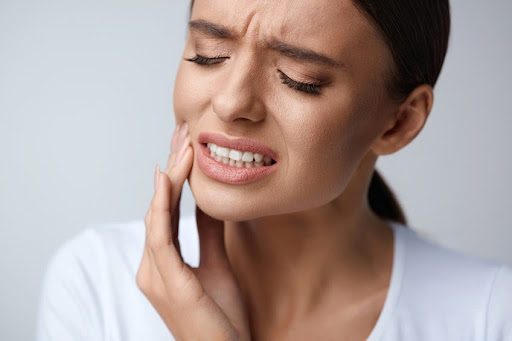
Stress can silently harm your teeth and gums. Here’s how stress affects your mouth — and what you can do to protect your smile. Stress Doesn’t Just Affect Your Mind — It Affects Your Smile. We tend to notice stress in our shoulders, sleep, mood, or appetite — but many people don’t realize that stress shows up in the mouth as well. Dental damage caused by stress is incredibly common, and usually happens slowly without you noticing.
Clenching & Grinding (Nighttime and Daytime)
Stress often triggers muscle tension in the jaw. Signs you may be grinding or clenching include:
● Sore jaw in the morning
● Flattened edges of teeth
● Headaches when you wake up
● Chipped/cracked enamel
Over time, grinding wears down enamel and can create sensitivity or fractures.
Stress Weakens the Immune Response
When you’re under stress, your body doesn’t fight inflammation as effectively. This can lead to:
● More gum bleeding
● More plaque buildup
● Increased risk for gum disease
Gums react fast to stress — they’re one of the first areas where inflammation shows.
Habits That Worsen the Problem
Stress often leads to routine shortcuts:
● More coffee/soda = acidic enamel damage
● Skipping flossing
● Mindless snacking
Small habits add up.
What Helps
● Custom night guard (if grinding)
● Regular cleanings/check-ups
● Drinking more water & reducing acidic drinks
● Stress relief habits (breathing / movement / routine)
Final Thoughts
Stress might start in the mind, but it absolutely affects your teeth. Paying attention to small signs early can prevent bigger issues later. Visit https://smilingoakdentistry.com/appointment/ to stay on top of your dental health.
